How to Claim Car Insurance After an Accident: My Hard-Earned Lessons

I’ll be honest, the first time I had to file a car insurance claim, I had no clue what I was doing. My car had just been rear-ended at a traffic light. Nobody was seriously hurt, thank goodness, but the back bumper looked like a crushed soda can. My hands were shaking, and the only thing I could think about was, “How the heck do I deal with this insurance mess now?”
If you’ve ever been in that spot, you know exactly what I mean. Filing a car insurance claim sounds simple when you read the fine print in your policy booklet, but in real life, it’s a mix of stress, phone calls, paperwork, and sometimes—yes—arguing with people who sound like they’ve memorized a script. Over the years (and unfortunately, after a couple of different accidents), I’ve picked up some very specific tips that can save you from headaches when you’re trying to get your claim approved.
Let me walk you through exactly what to do when you need to claim your car insurance after an accident, step by step, with the lessons I learned the hard way.
Step 1: Stay Calm and Get to Safety
Sounds cliché, right? But it matters. During my first accident, I was panicking so badly that I forgot to move my car out of the way. I ended up blocking traffic for 20 minutes until the police showed up. Not only was it dangerous, but it made everything worse.
So, if the accident isn’t too severe and your car can move, pull over to a safe spot. Turn on your hazard lights. Check on yourself, passengers, and the other driver. Safety before paperwork, always.
Pro tip: Even if you feel fine, write down if you have minor aches or dizziness. Sometimes injuries don’t show up until hours later, and your insurance company might ask.
Step 2: Gather Evidence Like a Detective
Here’s where I learned the golden rule: the more evidence you have, the smoother your claim will go. Insurance companies love “proof.”
Take lots of photos. Not just one or two. Snap close-ups of the damage, wide shots of both cars, street signs, traffic lights, even skid marks if you see them. I once forgot to take pictures of the other driver’s license plate, and later he tried to give a different plate number to his insurer. Luckily, I had a blurry shot of it in the background of another photo. That saved me a ton of back-and-forth.
Write down the other driver’s info:
- Full name
- Phone number
- Insurance company & policy number
- Vehicle make, model, color, and license plate
And don’t forget witnesses. A bystander once gave me her number and a short statement. That little piece of paper became the strongest proof when the other driver tried to blame me later.
Step 3: Call the Police (Even if It Feels Unnecessary)
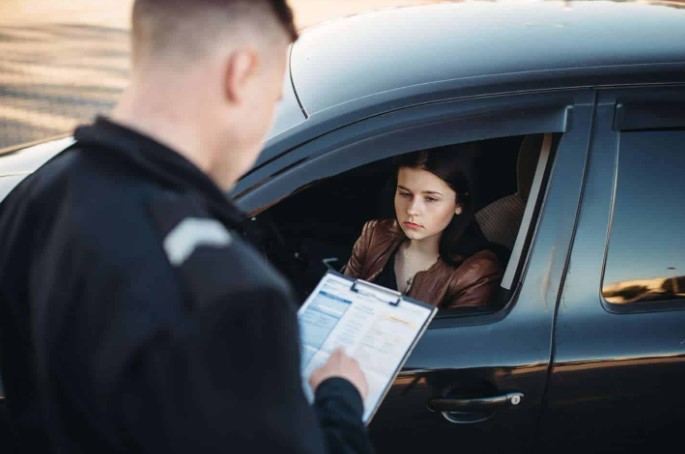
I used to think calling the cops for a “minor fender bender” was overkill. Big mistake. Some insurance companies won’t process a claim without an official police report.
In one accident, the other driver was super friendly at the scene, promising to “settle things quietly.” I trusted him, didn’t call the police, and a week later his insurance denied responsibility. My company couldn’t do much without that police report. Lesson learned.
So, no matter how small the accident looks, get the police involved. At the very least, you’ll have a report number to back up your claim.
Step 4: Notify Your Insurance Company ASAP
This is where a lot of people (including me, once) make a rookie mistake. I thought I had 30 days to report, so I delayed. Turns out my policy required me to report within 24 hours. Because I was late, they gave me extra paperwork and nearly denied my claim.
Always, always call your insurance company right after the accident. Most have hotlines open 24/7. The faster you call, the more credible you look. Even if you don’t have all the details yet, let them know what happened.
They’ll usually ask you:
- Date, time, and location of the accident
- Description of what happened
- Info about the other driver
- Police report number (if available)
Step 5: File the Actual Claim
Here comes the paperwork. Depending on your insurer, you can file a claim online, through their app, or by visiting their office. Personally, I prefer apps now because it’s quicker, and you can upload photos instantly.
When I filed my first claim, I didn’t explain things clearly. I just wrote “rear-ended at traffic light.” The insurance rep called back three times asking for details. Now, I’ve learned to write a clear statement, like:
“I was stopped at a red light on Main Street at 3:45 PM when Vehicle X (license plate ABC123) hit my rear bumper. Police report filed at scene (#123456). Witness John Smith, contact number 555-1234.”
The more specific you are, the fewer delays.
Step 6: Damage Assessment and Vehicle Inspection
Insurance companies don’t just take your word for it. They’ll send an adjuster to inspect your car, or ask you to bring it to an authorized workshop.
Here’s a mistake I made once: I took my car to a random garage before the adjuster saw it. Insurance refused to cover the repair because they couldn’t verify the damage. I had to pay out of pocket.
Now, I always wait for their green light. Most companies have tie-ups with repair shops where the billing goes directly to the insurer. It saves you from paying upfront.
Step 7: Review Settlement and Repairs
After inspection, the insurer will approve (or sometimes negotiate) the repair costs. Here’s where I got frustrated once—they only agreed to pay for a generic bumper replacement instead of the original manufacturer part. At first, I was annoyed, but after digging into my policy, I realized it was my fault for not reading that clause.
So, here’s a tip: Check your policy about parts replacement—does it cover original manufacturer parts (OEM) or just equivalent ones? Knowing this upfront avoids nasty surprises.
Once approved, repairs can start. Keep every receipt, even small ones like towing fees. Many of those are reimbursable if you submit them properly.
Step 8: Follow Up Like a Hawk
Insurance companies move at their own pace, and sometimes claims fall into a “black hole.” I once waited three weeks before realizing my paperwork was sitting in someone’s inbox.
Now, I call or email every few days to check progress. It might feel pushy, but it keeps things moving. Remember, it’s your money and your car—you have every right to ask.
Lessons I’ve Learned Along the Way
- Never delay reporting. Even a few hours can complicate your claim.
- Keep a checklist in your glove box. Mine has “Photos, Info, Police, Insurance” written on it so I don’t forget under stress.
- Read your policy annually. Policies change, and sometimes insurers sneak in new clauses.
- Don’t trust handshakes at the scene. Always get official reports.
- Be polite but firm with adjusters. A friendly tone goes a long way, but don’t let them brush you off.
Common Mistakes People Make When Claiming Insurance
- Not getting witness statements
- Paying for repairs before inspection
- Giving vague accident descriptions
- Forgetting medical bills (yes, even small checkups count if you’re covered)
- Assuming the other driver’s insurance will handle everything
I’ve made at least three of these mistakes myself. Each one cost me time, money, or unnecessary stress.
Final Thoughts
Filing a car insurance claim isn’t exactly fun. It can feel overwhelming, especially when you’re already dealing with the emotional shock of an accident. But if you treat it like a checklist and stay organized, the process becomes a lot smoother.
The bottom line? Be quick, be detailed, and don’t be shy about following up. Your insurance policy is something you’ve paid for—it’s there to protect you.
SEO-Optimized FAQ: Car Insurance Claim After Accident
Q1: How long do I have to report an accident to my insurance?
Most policies require you to report within 24–48 hours. Some allow longer, but it’s always best to notify immediately.
Q2: Do I need a police report to file a claim?
In most cases, yes. Even for minor accidents, having a report strengthens your claim and avoids disputes.
Q3: Can I choose my own repair shop?
Some insurers allow it, but many require you to use their network garages. Always confirm before sending your car.
Q4: What if the other driver doesn’t have insurance?
Your own policy may cover damages if you have uninsured motorist coverage. Otherwise, you might have to pay out of pocket or pursue legal action.
Q5: Will my premiums go up after a claim?
Often yes, but it depends on the severity of the claim, your driving history, and who was at fault.
Q6: Can I file a claim if the damage seems minor?
Yes, but weigh the cost. For small repairs, sometimes paying out of pocket avoids a premium increase.
Q7: What documents are required for a claim?
Usually: police report, photos of the accident, driver and vehicle details, insurance policy info, and repair estimates.